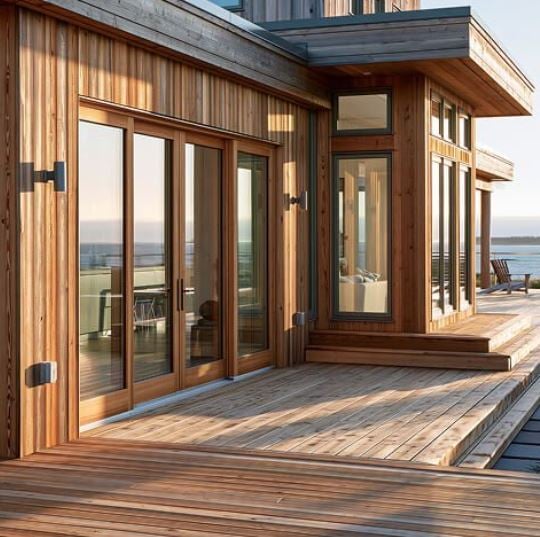

Face to Face
Learning Outcomes
Identify key material characteristics of single-origin French Oak and how origin, grading, density and moisture behaviour influence design outcomes
Evaluate suitable French Oak formats for flooring, joinery, stairs, furniture and interior applications based on project intent, durability and installation requirements
Apply key detailing principles for solid timber movement, substrate preparation, fixing methods and environmental conditions
Assess finish selection, maintenance expectations and lifecycle considerations when specifying French oak in residential, commercial and hospitality interiors
Prepare clearer specification notes that communicate timber format, dimensions, finish, installation requirements and performance expectations
NSCA Performance Criteria
PC28, PC31, PC39, PC45
CPD Point
1 Formal
/Purati-logo-labeltrademark.jpg?width=157&height=57&name=Purati-logo-labeltrademark.jpg)
Online
Overview:
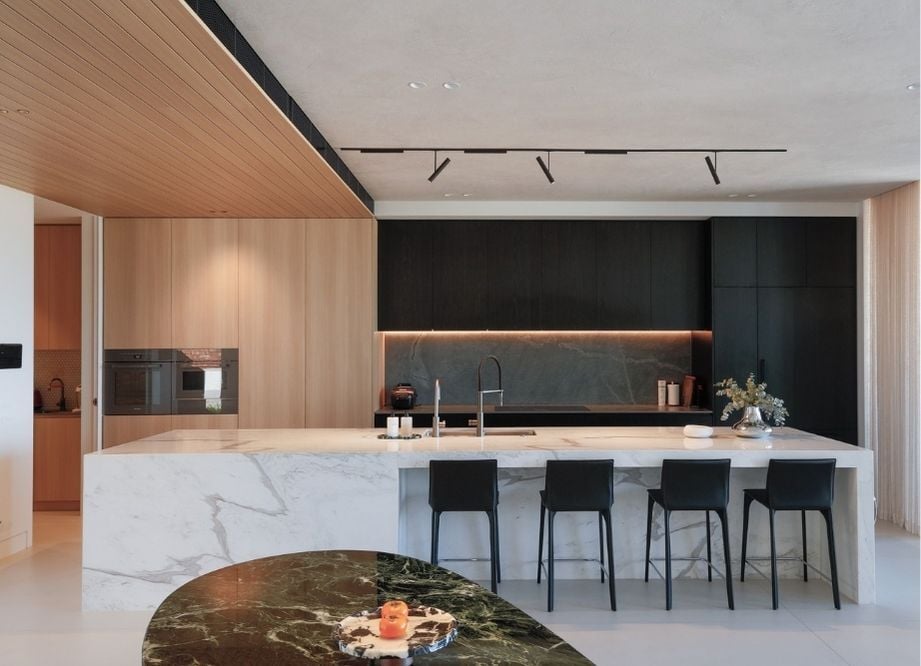
Lighting is the Feel of a space
This can welcome, comfort, or deter
The last one is usually unintentional
This CPD covers essential lighting metrics and design principles, helping architects understand how lighting affects human perception, and functionality in residential spaces. Learn how to combine technical qualities of light with design, into a space that feels intentional.
Learning Outcomes
Understand different types of lighting and their applications.
Learn key lighting metrics: wattage, lumen, lux, efficacy, colour temperature, CRI, and beam angles.
Gain insights into ingress protection (IP), glare control, and SDCM.
Explore design principles, including the three layers of lighting (ambient, task, accent), and gain insight into the human perception of light.
Understand direct vs. indirect lighting and integration with architectural elements.
Relate and apply learned outcomes into a residential layout.
NSCA Performance Criteria
PC27, PC28, PC30, PC32
CPD Point
1 Formal


Online or Face-to-Face
Overview:
Follow a single civic landscape project from brief to years after handover, using natural stone as the lens for each design stage. This CPD explores how design intent is protected through concept, design development, documentation and tender, helping architects specify stone that performs, ages beautifully, and endures over decades.
Learning Outcomes
Understand how stone type and physical properties shape design possibilities.
Explain how finish selection affects colour, texture, slip resistance and light.
Apply technical data and DDA requirements to protect design intent.
Identify fabrication, cost and value-engineering risks during tender.
Recognise the long-term durability and lifecycle performance of natural stone.
NSCA Performance Criteria
PC3, PC4, PC6, PC10, PC12, PC29, PC35, PC37, PC39, PC45, PC46
CPD Point
1 Formal

Face to Face
Overview:
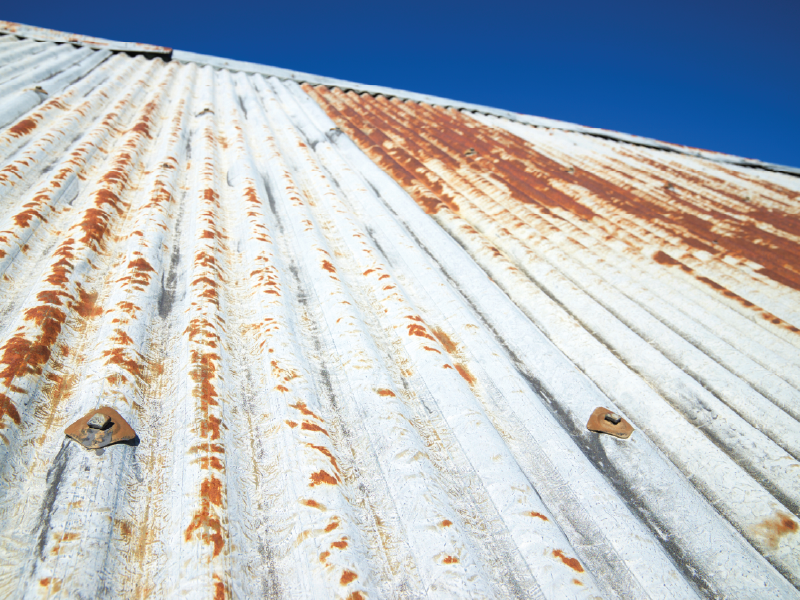
Corrosion is one of the primary factors affecting the lifespan of metal building products. This CPD provides an overview of corrosion mechanisms, environmental influences and corrosion control strategies, helping participants make informed decisions
around material selection, design and maintenance to achieve durable, long-lasting outcomes
Learning Outcomes
Understand the causes and mechanisms of corrosion in metal building products.
Identify common forms of corrosion and the environmental conditions that contribute to them.
Assess the impact of coastal, industrial, agricultural and other corrosive environments on material durability.
Apply material compatibility principles to minimise corrosion risk.
Understand the role of design, detailing and maintenance in extending service life.
Select appropriate materials, coatings and finishes for varying levels of corrosivity and project requirements
NSCA Performance Criteria
PC39, PC41, PC44
CPD Point
1.5 Formal
Face to Face
Overview:
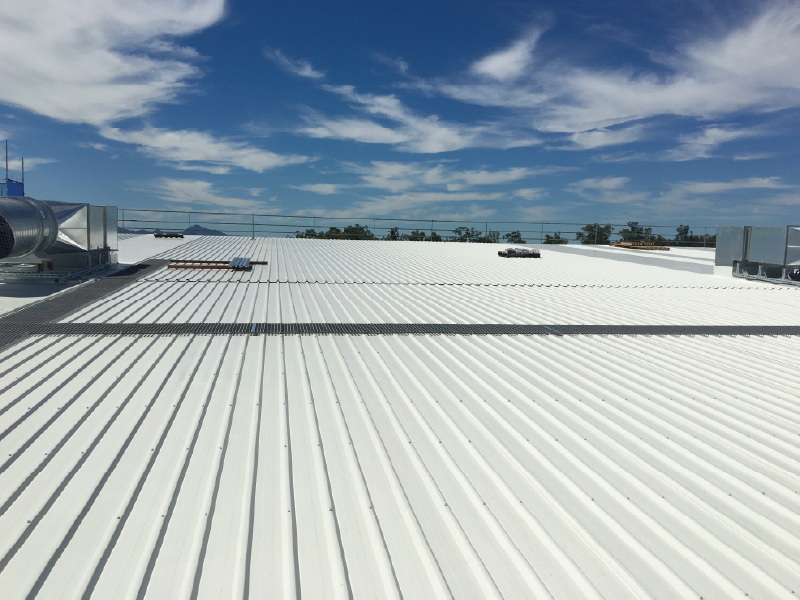
Long run roofing presents unique design challenges, particularly for large roof areas such as shopping centres, warehouses and other monumental buildings. This CPD provides a practical overview of the key considerations involved in designing and
specifying long run metal roofing systems, including low roof pitches, long drainage lengths, penetrations and expansion joints
Learning Outcomes
Understand the key design principles associated with long run roofing systems.
Evaluate the impact of roof pitch, drainage length and rainfall intensity on roof performance.
Identify common design challenges associated with large roof areas and long sheet lengths.
Understand the influence of penetrations, expansion joints and roof-mounted services on roofing performance.
Select appropriate roofing profiles and systems to suit project requirements.
Apply best-practice design principles to improve durability, weatherproofing and long-term performance.
NSCA Performance Criteria
PC12, PC28, PC39, PC41, PC44, PC58
CPD Point
1 Formal
Face to Face
Overview:
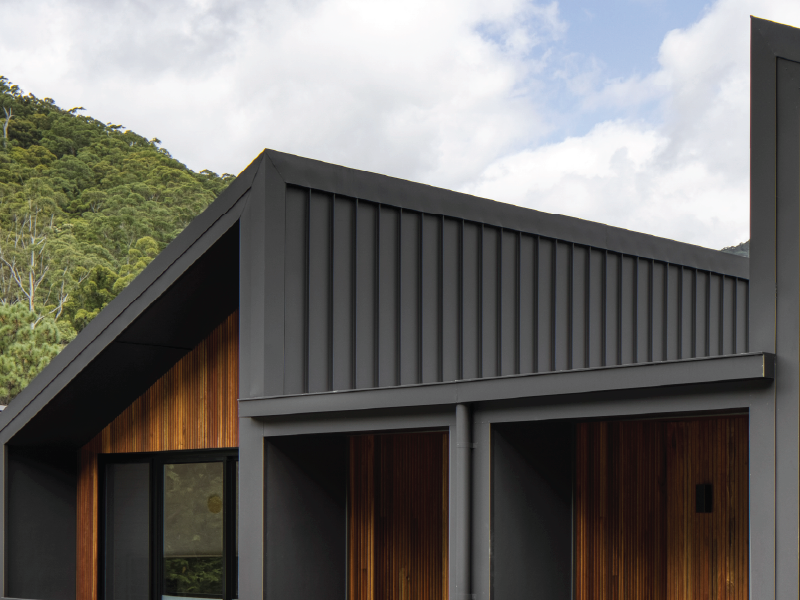
Flashings are a critical part of the overall roofing system, helping to prevent water ingress, protect vulnerable junctions and support long-term roof performance. This CPD provides a practical overview of flashing design and installation, with a focus on how correct detailing, material selection and installation practices can influence durability, compliance and weathertightness.
Learning Outcomes
Understand the critical role flashings play in the performance of metal roofing systems.
Identify common flashing types and their applications within roof and wall systems.
Recognise the importance of material compatibility and corrosion considerations.
Apply best-practice principles for flashing design, detailing and installation.
Understand requirements relating to drainage, thermal movement and weatherproofing.
Design flashing solutions that minimise water ingress and support long-term building performance.
NSCA Performance Criteria
PC41, PC44, PC45
CPD Point
1 Formal

Face to Face
Overview:
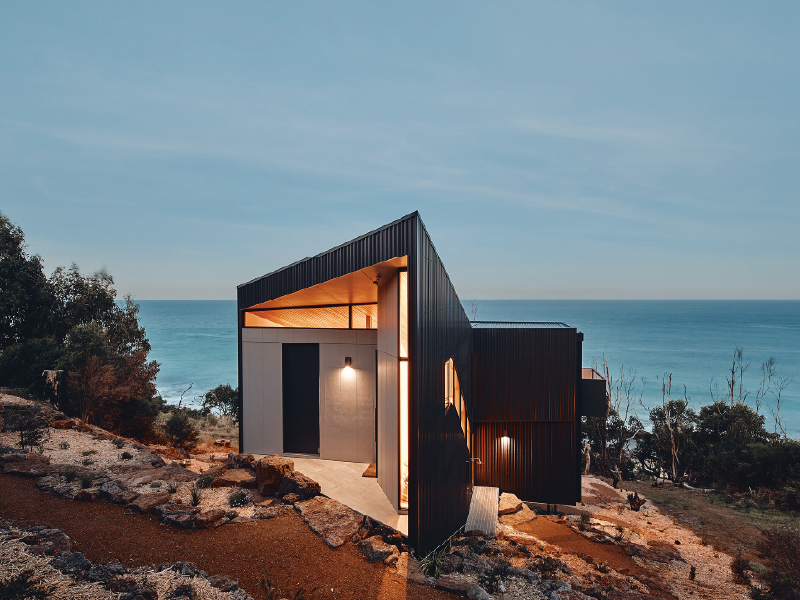
Wind loading plays a critical role in the design, performance and durability of roofing and wall cladding systems. This CPD provides an overview of the key principles of wind design in Australia, helping participants understand how wind actions influence product selection, structural design, fixing requirements and overall building performance.
Learning Outcomes
Understand the key principles of wind loading and roof design in accordance with Australian standards.
Identify the factors that influence site-specific wind loads, including wind regions, terrain categories, topography and shielding.
Understand the effects of wind pressure and suction on roofing and wall cladding systems.
Recognise how wind loading influences product selection, spans, fixing requirements and structural design.
Understand the additional design considerations for cyclonic regions.
Interpret technical design data and testing information to support compliant and resilient roof and wall designs. Appreciate the common causes of wind-related failures and how they can be mitigated through appropriate design and
specification.
NSCA Performance Criteria
PC12, PC28, PC39, PC41, PC44
CPD Point
1.5 Formal
Face to Face
Overview:
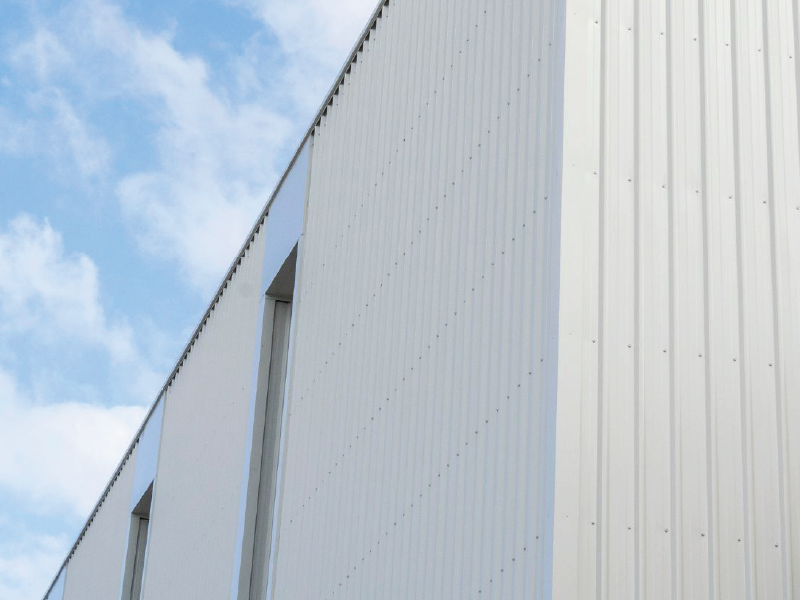
The selection of materials, coatings and profiles plays a critical role in the performance, durability and appearance of metal roofing and walling systems. This CPD provides an overview of the materials commonly used in steel building products, the protective coatings and finishes available, and the factors that influence their suitability for different environments and applications
Learning Outcomes
Understand the difference between materials, coatings and finishes used in metal building products.
Identify the key characteristics and applications of common roofing and walling materials.
Recognise how environmental conditions influence material and coating selection.
Understand the role of coatings and finishes in durability, corrosion resistance and aesthetics.
Evaluate roofing and walling profile options and their suitability for different building applications.
Consider lifecycle performance, maintenance and warranty implications when specifying materials and finishes.
Apply best-practice principles when selecting materials, coatings and profiles to achieve durable and compliant building outcomes.
NSCA Performance Criteria
PC10, PC12, PC39
CPD Point
1 Formal
Face to Face
Overview:
Energy efficiency is an increasingly important consideration in modern building design, with Section J of the National Construction Code (NCC) establishing minimum performance requirements for the building envelope. This CPD provides an overview of Section J requirements as they relate to roofing and walling systems, helping participants understand the role these elements play in achieving compliant, energy-efficient building outcomes.
Learning Outcomes
Develop a stronger understanding of energy efficiency principles and the intent of NCC Section J requirements.
Understand the key steps involved in achieving Section J compliance.
Recognise the roofing and walling solutions available to support compliance for different building applications.
Understand how insulation, thermal performance and material selection contribute to energy efficiency outcomes.
Appreciate the role of sustainability and environmentally responsible design in building performance.
Apply key considerations when specifying roofing and walling systems to support compliant and energy-efficient building envelope design
NSCA Performance Criteria
PC41, PC45
CPD Point
1 Formal

Online or Face-to-Face
Overview
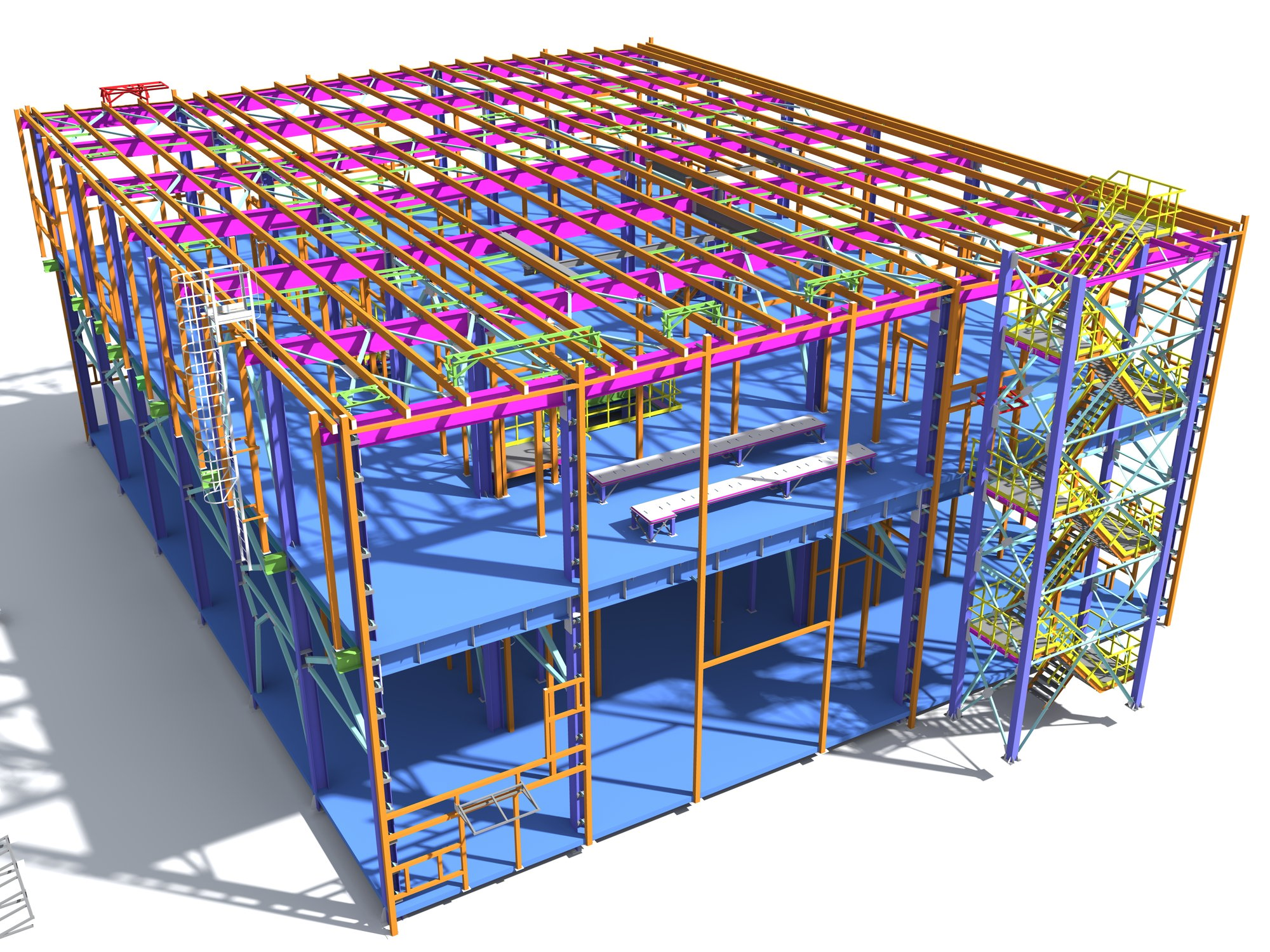
This presentation explores the role of surveying and reality-capture technologies in supporting accurate architectural design and BIM workflows. It introduces key concepts including MGA, LOD, SLAM and TLS, and examines survey control, point cloud preparation, and accuracy considerations. Attendees will gain an understanding of how accurate survey data can reduce design risks, improve decision-making, and support more reliable project outcomes
Learning Outcomes
Understand key surveying and digital capture concepts, including MGA, LOD, SLAM and TLS.
Recognise the importance of survey control and accurate point cloud preparation for Revit modelling.
Distinguish between relative and absolute accuracy and understand the capabilities of TLS and SLAM.
Apply key surveying principles to reduce design risks and support more accurate BIM and architectural outcomes.
NSCA Performance Criteria
PC13, PC18, PC28, PC41
CPD Point
1 Formal

Face to Face
Overview:
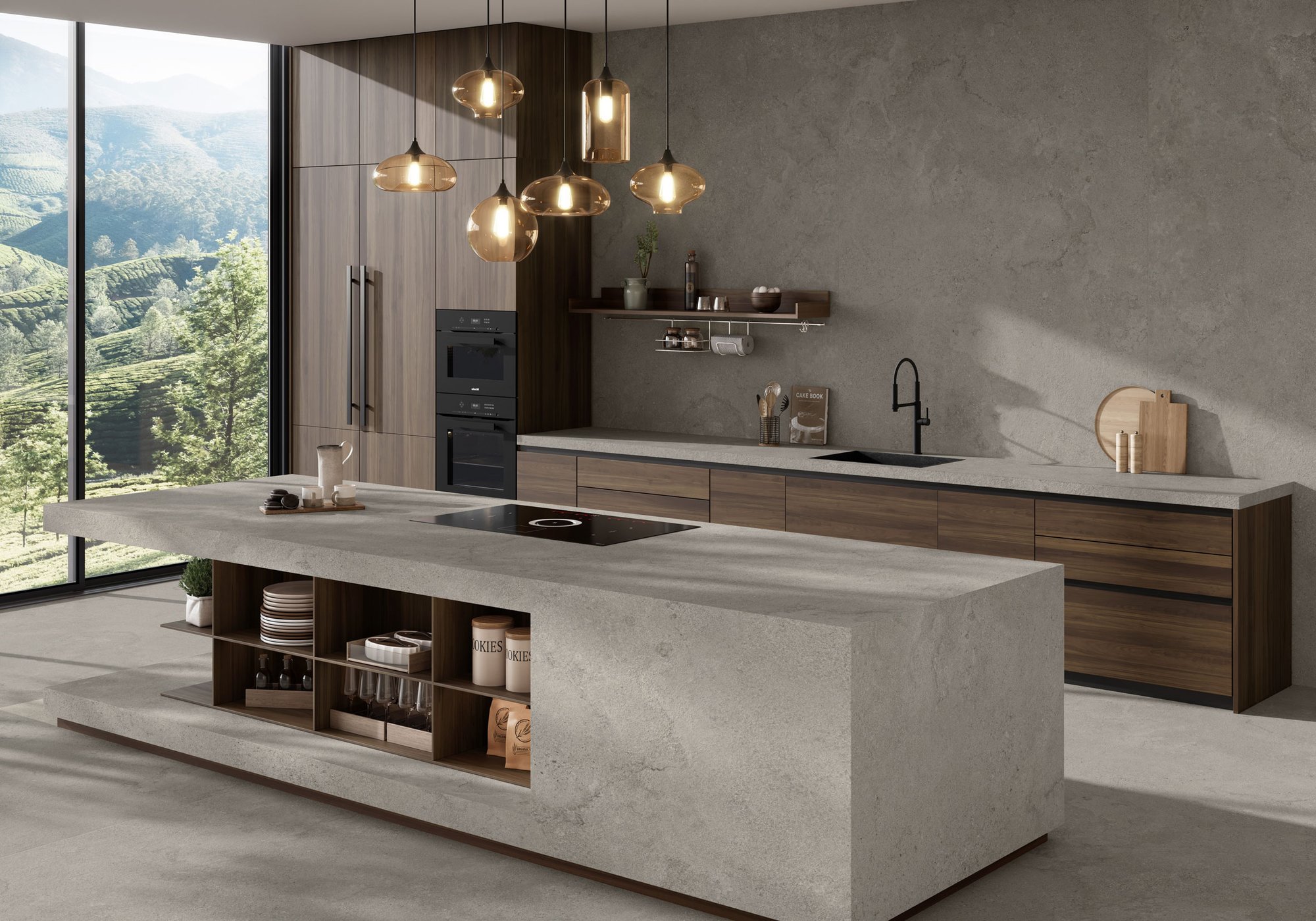
A short and to-the-point CPD. Beyond Silica: The Future of Safe Surface Specification explores the evolving surface materials landscape, helping architects and designers make informed specification decisions that balance health, performance, sustainability, and design outcomes
Learning Outcomes
Understand the post-silica specification landscape and its implications for architectural practice.
Compare surface materials based on health, safety, performance, sustainability and compliance considerations.
Evaluate the environmental and health impacts associated with different surface material choices.
Apply practical knowledge of material performance and compliance requirements to make informed specification decisions.
NSCA Performance Criteria
PC24, PC28
CPD Point
1 Point

Face to Face
Overview:
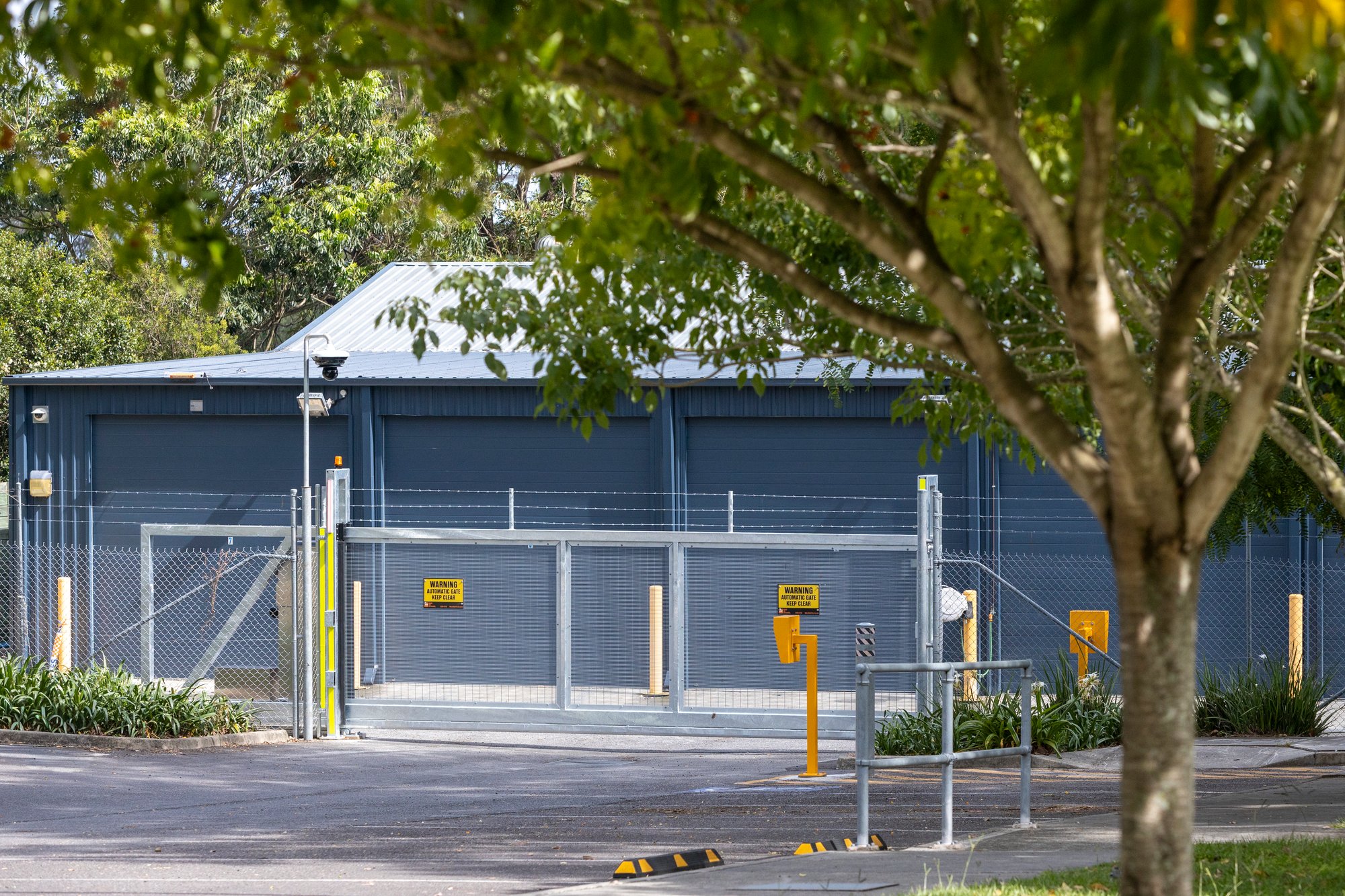
This CPD presentation explores how early architectural and design decisions shape the long-term safety and reliability of
automatic gates.
Key takeaway: safe, reliable gates are created through design — not corrected after installation.
Learning Outcomes
Recognise automatic gates as high-risk engineered systems.
Identify foreseeable safety and reliability risks.
Understand how architectural decisions influence gate outcomes.
Apply safe design and specification principles to future projects.
NSCA Performance Criteria
PC12, PC16, PC26, PC41, PC45
CPD Point
1 Formal
.jpg?width=2000&name=markilux%20-%20mx%20pergola%20stretch%20penthouse%20detail%20vertical%20roller%20blind%20panoramic%20window%20202403%20(1).jpg)

Online
Learning Outcomes
Identify the core benefits of external fabric shading systems, including improved energy efficiency, glare control, UV protection,
and weather resistance.
Understand the key performance characteristics of shading fabrics.
Examine real-world applications of shading solutions.
Learn about shading system types and their integration into various architectural contexts.
NSCA Performance Criteria
PC28, PC31, PC39, PC45
CPD Point
1 Formal

Online
Overview:
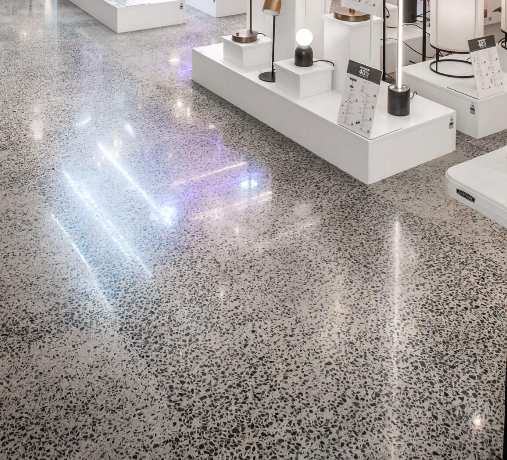
Understanding Polished Concrete
Defining the Desired Outcome
Navigating Industry Pitfalls
Designing for Measurable Performance
Evaluating Flooring Life Value
The Next Generation of Hard Surfaces
Learning outcomes
Polished Concrete is one of the most technically demanding flooring systems to specify and deliver successfully. With countless methods, products, and technologies all promising similar results, navigating the industry can be complex, and too often, projects fall short of expectations in both appearance and long-term performance.
The reality is that exceptionally polished concrete floors are rarely achieved by chance. The most successful outcomes derive from experienced contractors who, first and foremost, understand the science behind polished concrete floors, and secondly,
clearly understand project objectives and apply the most effective methodology, system design, and execution strategy to achieve them.
In this presentation, ProGrind — the industry’s longest-standing and most respected brand, behind many of the country’s most successful polished concrete projects will provide professionals with practical insight into avoiding common industry pitfalls and developing meaningful project briefs that align performance, aesthetics, and durability with the intended outcome.
The session will conclude by demonstrating the next frontier of hard flooring surfaces, showcasing emerging technologies and systems that can significantly reduce environmental impact while delivering substantial long-term cost savings for asset owners and landlords.
NSCA Performance Criteria
PC28, PC39, PC45, PC31
CPD Point
1 Formal

Face to Face or Online
Learning Outcomes
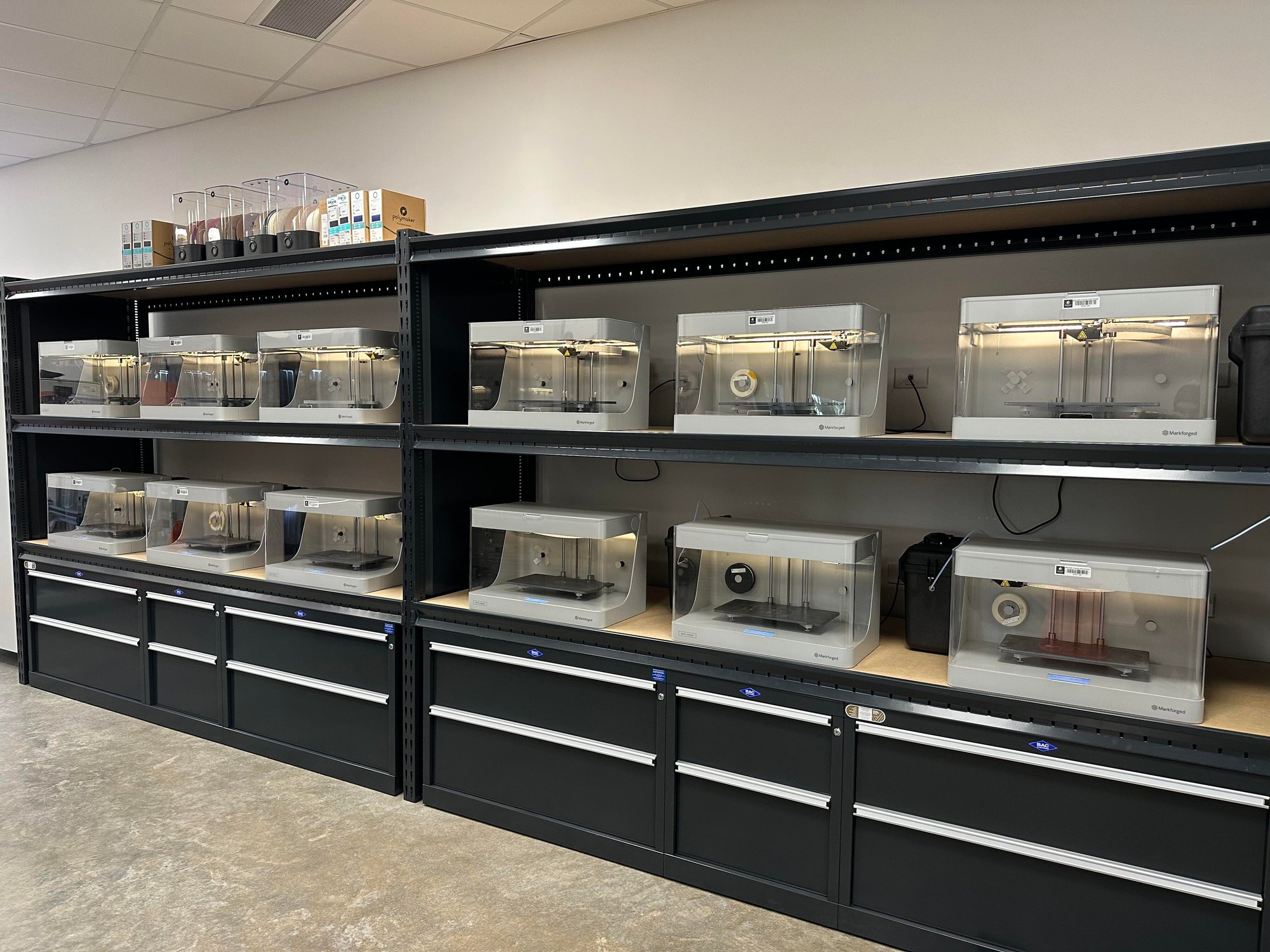
Knowledge of the benefits and comparisons of volumetric storage (3D Storage) over linear storage (shelving) for inventories of small and medium-sized parts.
Knowledge of the easy ways to specify drawer storage modules, without having to go into the fine details of the partitioning.
An understanding of the support that BAC Systems can offer specifiers when detailed partitioning is required.
A knowledge of the modular aspects of the BAC Workbench Range, to avoid the common mistakes we see in tender schedules.
A knowledge of the more unique modular storage solutions offered by BAC for Industrial and Commercial applications.
NSCA Performance Criteria
PC18,PC24,PC25,PC28
CPD Point
1 Formal

Online or Face to Face
Overview
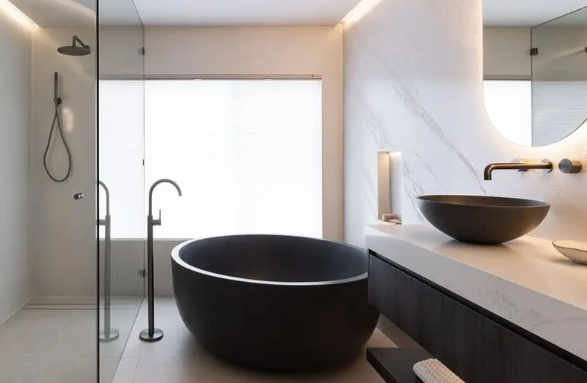
With more people choosing to age at home and an increasing focus on inclusive environments, the demand for fixtures that blend functionality, safety and style has never been greater. Today’s session explores how tapware and grabrail design can support independence, safety and accessibility in both residential and commercial spaces.
Learning outcomes
Translate universal design principles into functional outcomes for occupants.
Interpret and implement AS 1428.1 and NCC requirements in residential and community settings.
Understand how to select and position tapware and grab rails to support user safety and independence.
Understand how to future-proof designs by incorporating subtle, adaptable features that accommodate ageing in place and changing mobility needs.
NSCA Performance Criteria
PC39, PC40, PC45
CPD Point
1 Formal
Online or Face to Face
Learning Outcomes
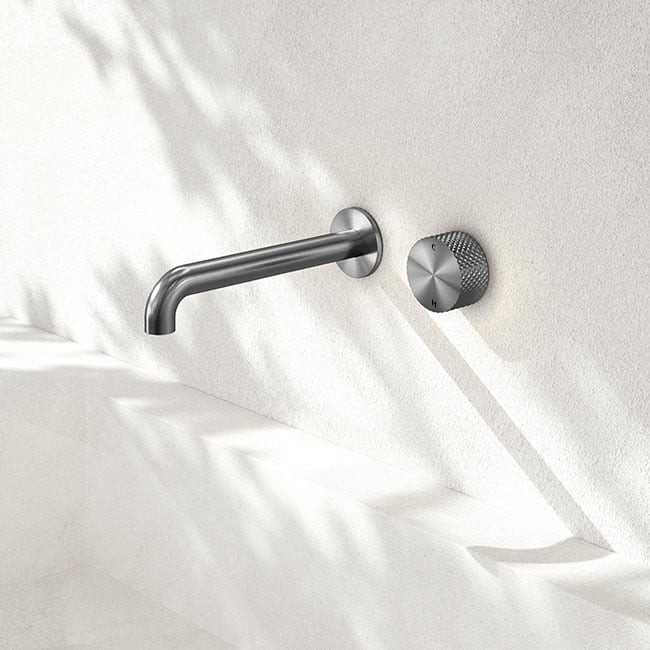
Identify general considerations associated with bathroom and kitchen design.
Explain how different types of stainless-steel impact the performance and longevity of bathroom and kitchen fittings and fixtures.
Explain the environmental sustainability considerations related to stainless steel bathroom and kitchen fittings and fixtures.
Explain the requirements for lead-free plumbing products under the National Construction Code.
NSCA Performance Criteria
PC24, PC28, PC31, PC35
CPD Point
1 Formal

Online
Learning Outcomes
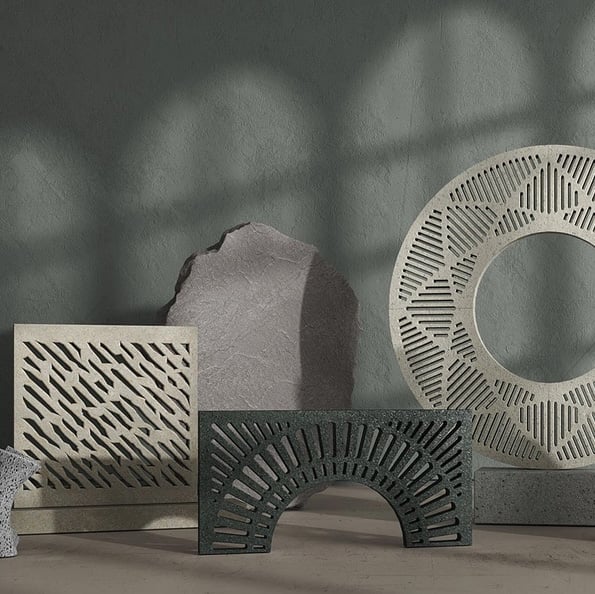
The presentation will develop an understanding of trench grate materials and their key features, provide knowledge of the relevant standards for trench gratings and how they can be applied in project specifications, and review project-specific conditions and factors that may influence grating selection and specification.
NSCA Performance Criteria
PC3, PC4, PC36, PC37, PC38, PC40, PC41
CPD Point
1 Formal

Network Architectural - Sustainable Ceilings
Face to Face or Online
Overview
In this presentation, we'll explore how aluminium ceilings can mitigate their environmental impact by reducing energy consumption during production and through smart applications that lower a building's operational energy use. We'll highlight aluminium's benefits, examining its properties and its current adverse environmental effects. We'll also discuss how adopting circular economy principles can enhance energy efficiency and identify practical strategies to lower carbon emissions through sustainable aluminium solutions. Join us to discover how aluminium ceilings can support greener building practices and contribute to a more sustainable future
Learning Outcomes
Describe the properties and advantages of aluminium in ceiling applications
Recognise the environmental impacts associated with aluminium use
Outline how the circular economy contributes to energy efficiency
Identify strategies for minimising carbon emissions through sustainable aluminium solutions
NSCA Performance Criteria
PC3, PC18, PC28, PC35
CPD Point
1 Formal
Online or Face to Face
Overview
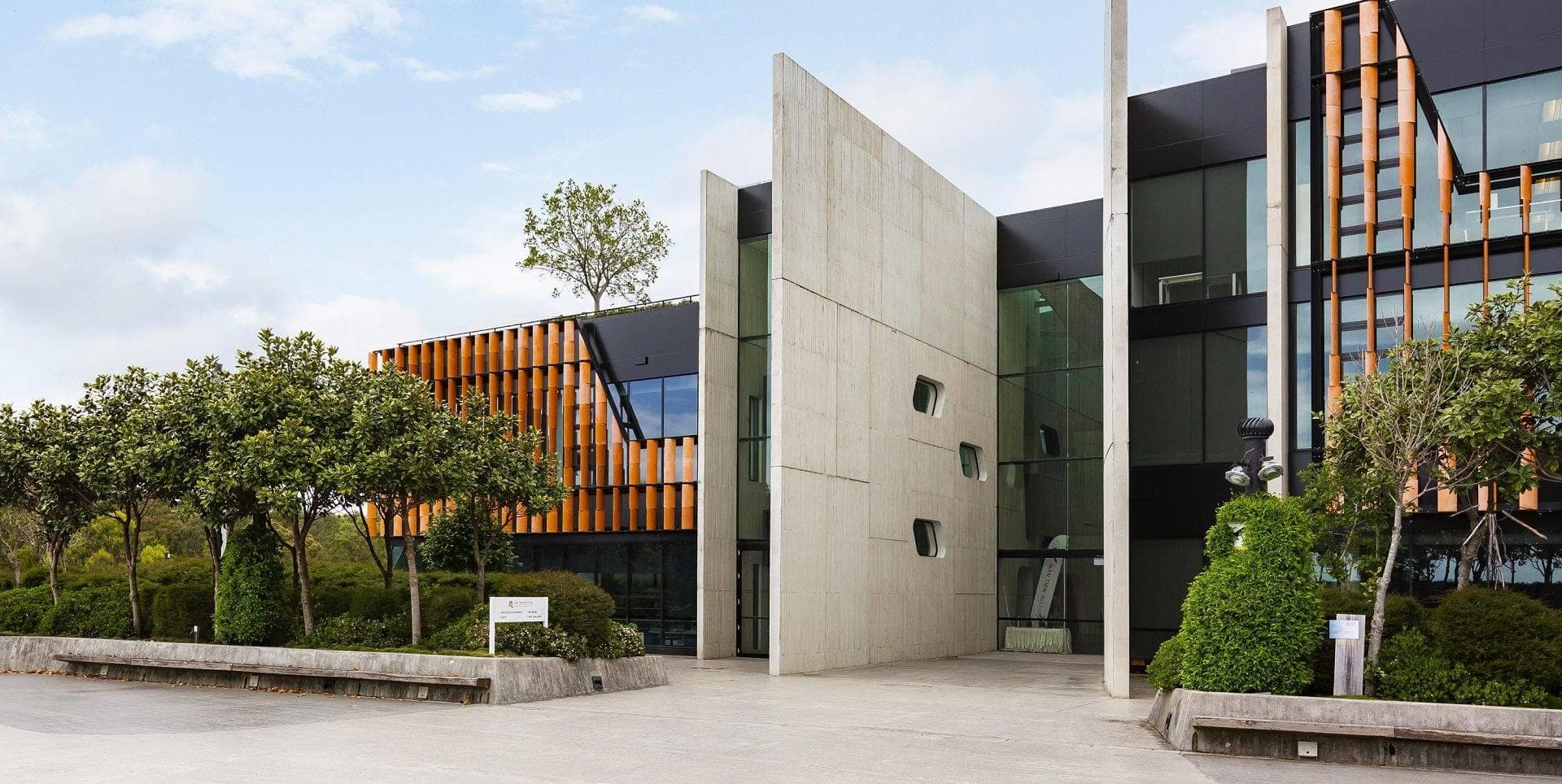
In this CPD presentation, we look at the state of the façade market – where we have come from and where we are today. We explore Australian and global fire testing methods, their role in evaluating façade designs and systems, and discuss why looking beyond compliance is critical to designing safe buildings and futureproofing specifications. With the increase in extreme weather and climate change, we also investigate weatherability performance testing for common events such as hailstorms and severe wind.
Learning Outcomes
Understand the state of the façade market today and how the industry has evolved since the Grenfell disaster.
Explain how looking beyond compliance can help us design safer buildings, by exploring Australian and International testing methods and standards.
Design for extreme weather and understand the importance of impact and pressure testing for extreme weather conditions such as hail and severe wind.
Outline key considerations and inclusions when specifying safe and futureproof facades.
NSCA Performance Criteria
PC1, PC16, PC28, PC39, PC44, PC45, PC46
CPD Point
1 Formal
Online or Face to Face
Overview
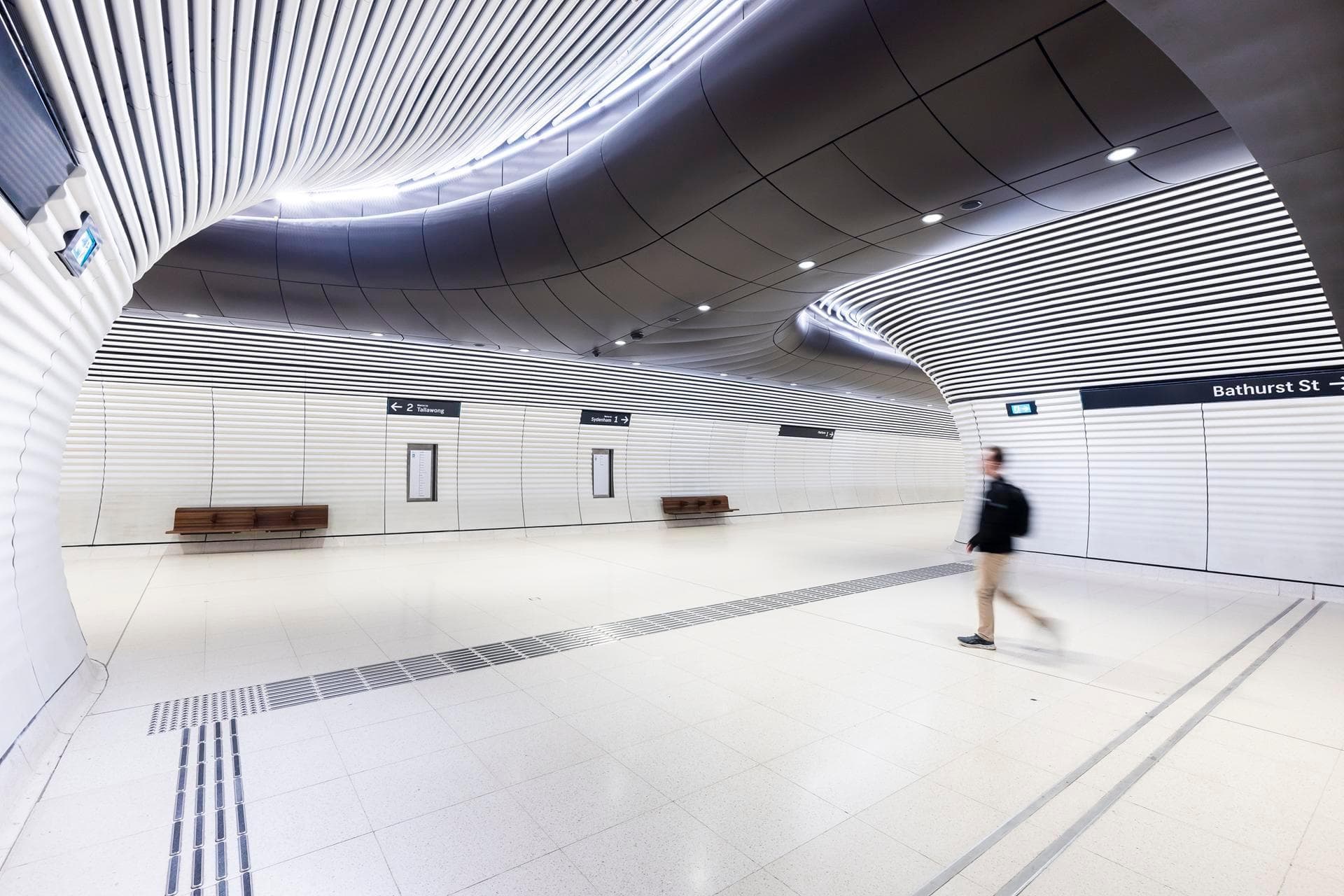
Specifying and designing ceiling systems for infrastructure projects is a complex and specialised capability. In this CPD presentation we will guide you through the process of successfully delivering large scale infrastructure projects.
We’ll review case studies in transport, education and sports and explore examples of the capability and limitations of modern metal ceiling systems, sharing how a design lead approach is key (or critical) for turning imaginative designs into reality.
Learning Outcomes
Understand project limitations and how they could affect ceiling design.
Recognise the advantages of a design-led approach and a robust design process.
Meet obligations for ceiling technical requirements, incl. seismic, aesthetics, access, integrated lighting.
Outline key considerations and inclusions when specifying ceilings for infrastructure projects.
NSCA Performance Criteria
PC9, PC38, PC39, PC44
CPD Point
1 Formal
Online or Face to Face
Overview
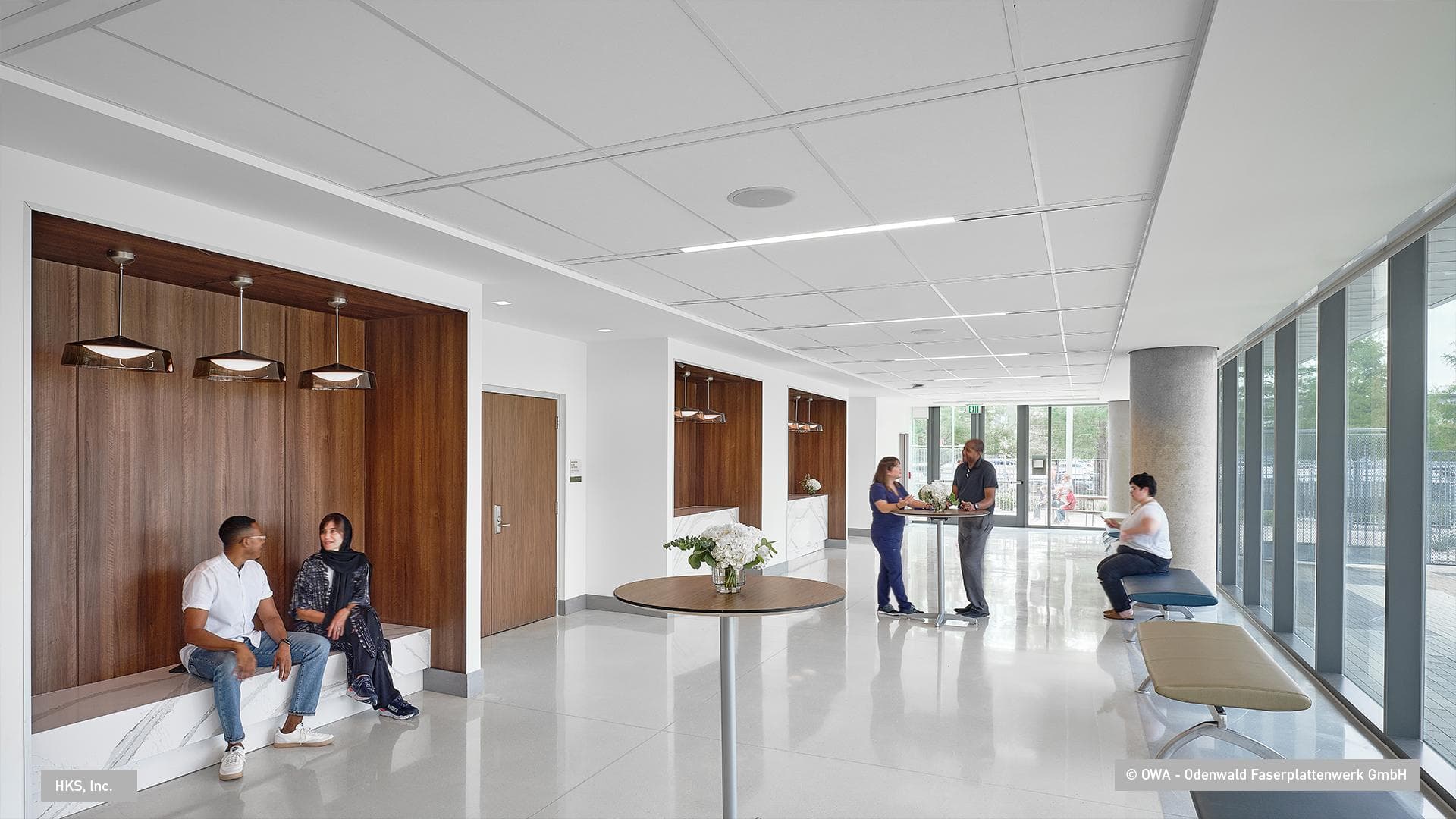
With a focus on designing for healing, we take a look at how modern ceiling systems impact our health and wellbeing. We will share how the design of modern ceilings spaces has evolved and explore how approaches to healthcare ceiling design have progressed, integrating elements such as natural light and flexible approaches to today’s modern healthcare buildings.
Learning Outcomes
Project initiation and understanding the journey of healthcare ceiling design.
Designing healthcare ceilings post-pandemic.
Meeting obligations for ceilings technical requirements within healthcare facilities.
NSCA Performance Criteria
PC18, PC24, PC28, PC31, PC35, PC45
CPD Point
1 Formal

Online or Face to Face
Overview
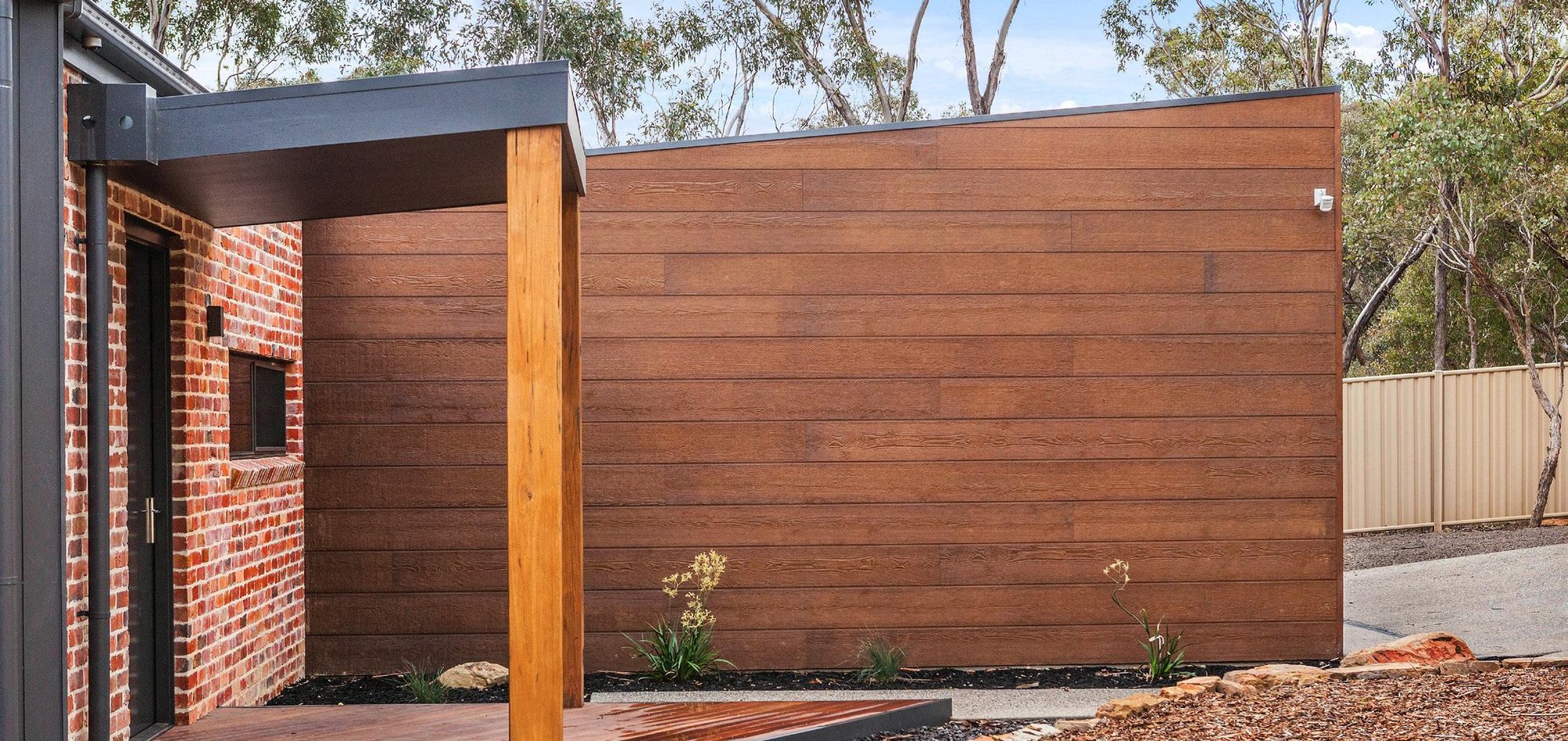
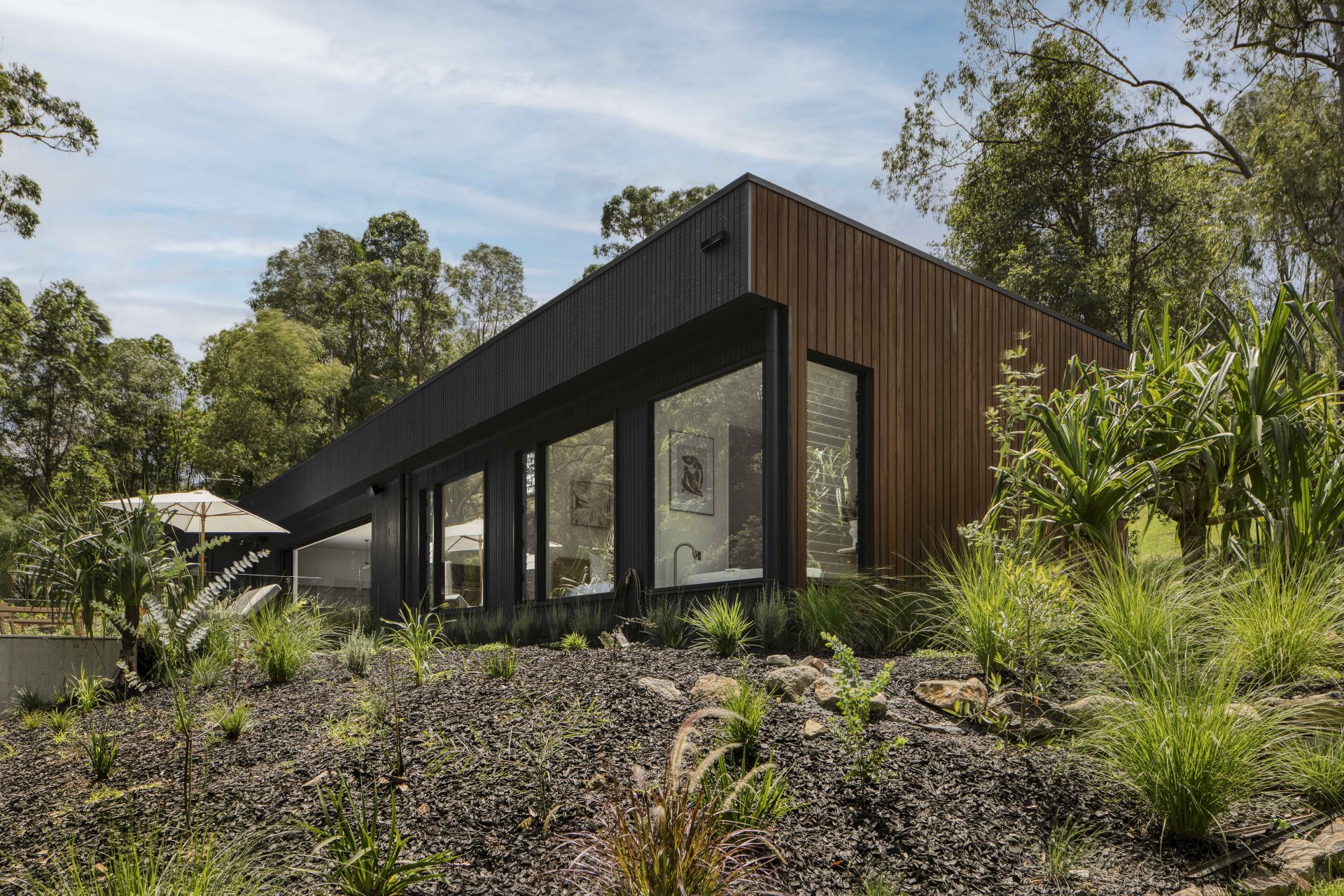
Timber cladding is an increasingly popular choice for Australian commercial and domestic buildings due to its striking natural aesthetic, durability, and low environmental impact. However, the strong fire-resistant qualities of timber are often unknown or poorly understood.
This presentation clarifies combustible and non-combustible materials, the science of how timber reacts in a fire, and the building codes in relation to timber cladding and compliance.
Learning Outcomes
Examine the nature of recent non-compliant cladding incidents.
Recognise the fire-resistant properties of timber.
Describe in detail the DtS applications for timber cladding in the NCC.
CPD Point
1 Formal
Online or Face to Face
Overview
If sustainably sourced, timber is undoubtedly one of the most environmentally-friendly building materials currently available, being a natural carbon sink and truly renewable. With an overwhelming global shift towards environmentally-focused sustainable designs, more and more specifiers are turning towards timber as a building material for its sustainability, aesthetic qualities, ease of transport and speed of construction.
Learning Outcomes
Examine the benefits of using sustainable construction products.
Learn how timber embodies energy and is the ultimate renewable resource.
Compare how timber rates environmentally against other construction materials.
Introduction to Cross Laminated Timber (CLT) in Australia.
Learn about carbon cycle and the important role timber plays.
Examine various third party environmental industry accreditations available.
Understand the concept of the “Circular Economy”.
Learn the difference between Environmental Product Declaration (EPD) vs Life Cycle Assessment (LCA).
Explore the concept of “greenwashing”.
CPD Point
1 Formal CPD point.

Online or Face to Face
Overview
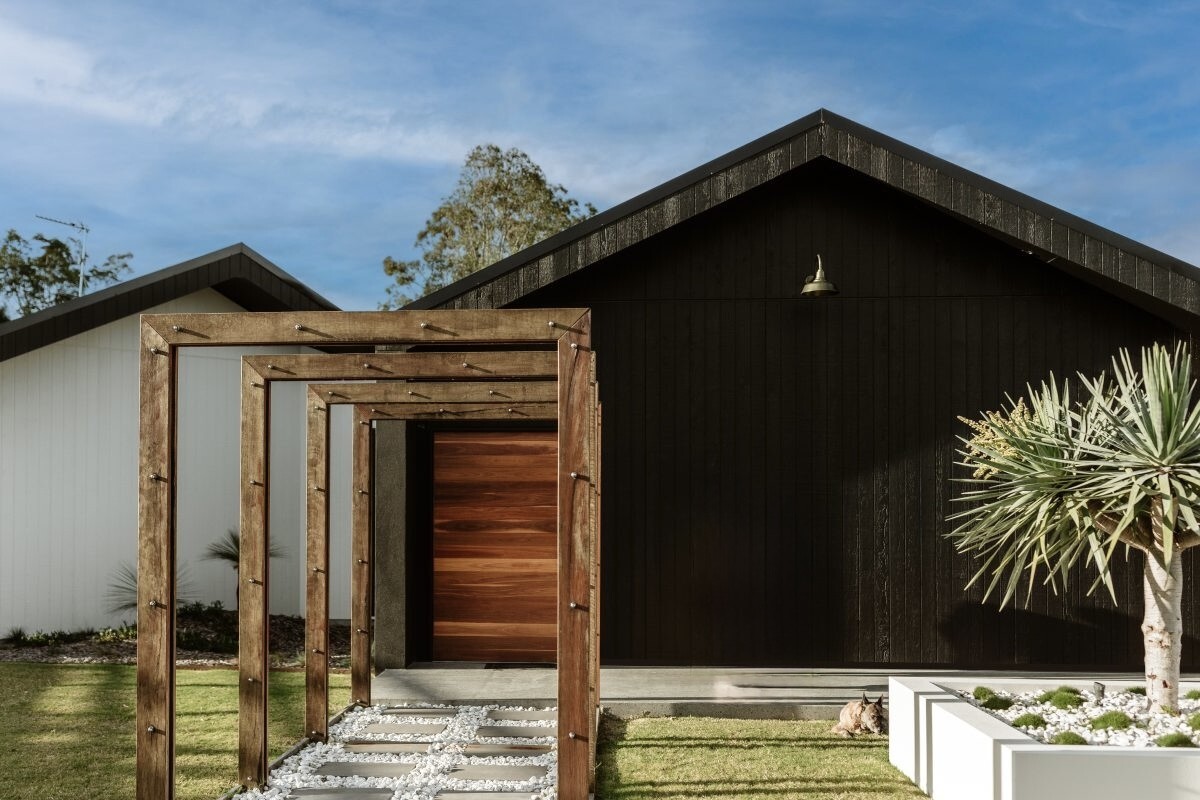
Learn all you need to know about condensation and mould within stud wall construction. Upon successful completion of this CPD webinar, participants will be able to demonstrate a general understanding of the History – factors contributing to increased condensation, Mould – risks and possible damage, Condensation & Vapour – the Science, Solutions – address the issue and R Values – clarifying the facts.
Learning Outcomes
History – Factors contributing to increased condensation.
Mould – Risks & Possible Damage.
Condensation & Vapour – the Science.
Solutions – Addressing the Issue.
R Values – Clarifying the facts.
CPD Point
1 Formal
Online or Face to Face
Overview
Now more than ever, it is vital for today’s building industry professionals to learn the Pathways to NCC Compliance.
During this formal CPD workshop, you will come to understand the six methods of documentary evidence as required to comply with the BCA/NCC, understand the difference between each method, and where they may be used.
CPD Point
1 Formal

Online or Face to Face
Overview
Globally, construction is responsible for an estimated third of the world’s overall waste, and up to 40% of the world’s carbon dioxide emissions. If we want to reduce the quantity of waste and emissions generated during the construction process, we need to take a closer look at the life cycle of the products we build with. It is becoming clearer that a transition to a circular economy is necessary to avert environmental disaster and mitigate the impact of climate change. The building and construction industry is crucial to this shift.
CPD Point
1 Formal

Online or Face to Face
Overview
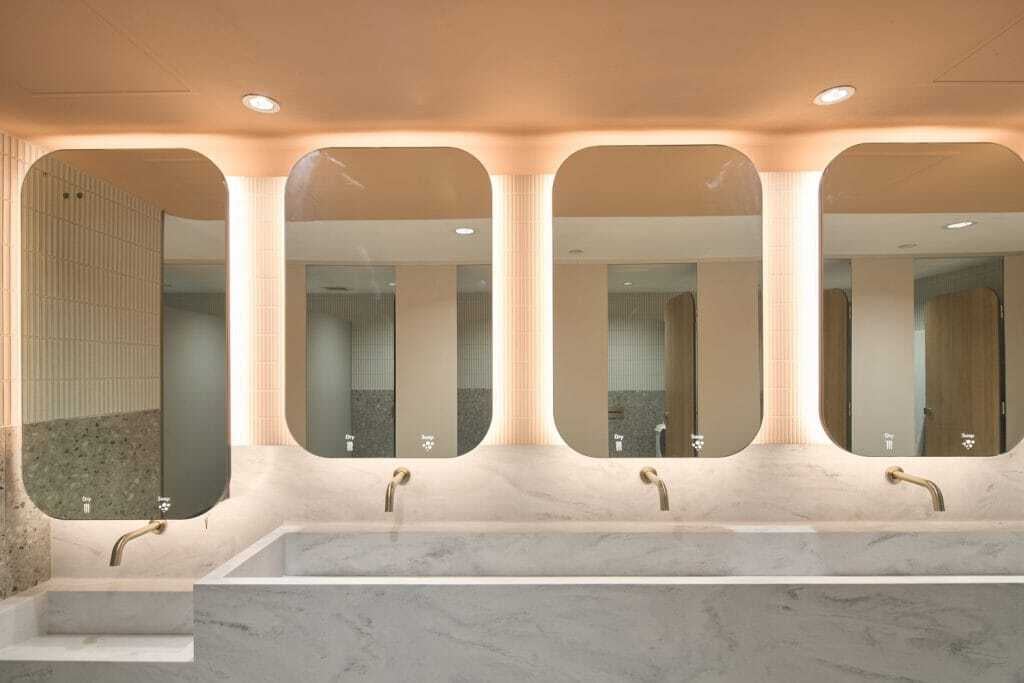
This CPD will help you to understand how to specify washrooms that are more hygienic, waste significantly less water and energy than traditional design, are aesthetically pleasing, save space, comply with regulations whilst remaining cost effective.
Learning Outcomes
Using modern technology to maximise water saving and reduce energy usage in the washroom.
Enhancing aesthetics and improving hygiene through using appropriate fittings.
Design challenges and making better use of available space in the washroom.
Brief overview of accessible and standard washroom ergonomics.
Design ideas to maximise unlettable areas of a building.
Handle actual sample taps and fittings during the seminar.
NSCA Performance Criteria
PC3, PC12, PC31, PC45, PC53
CPD Point
1 Formal
Online or Face to Face
Overview
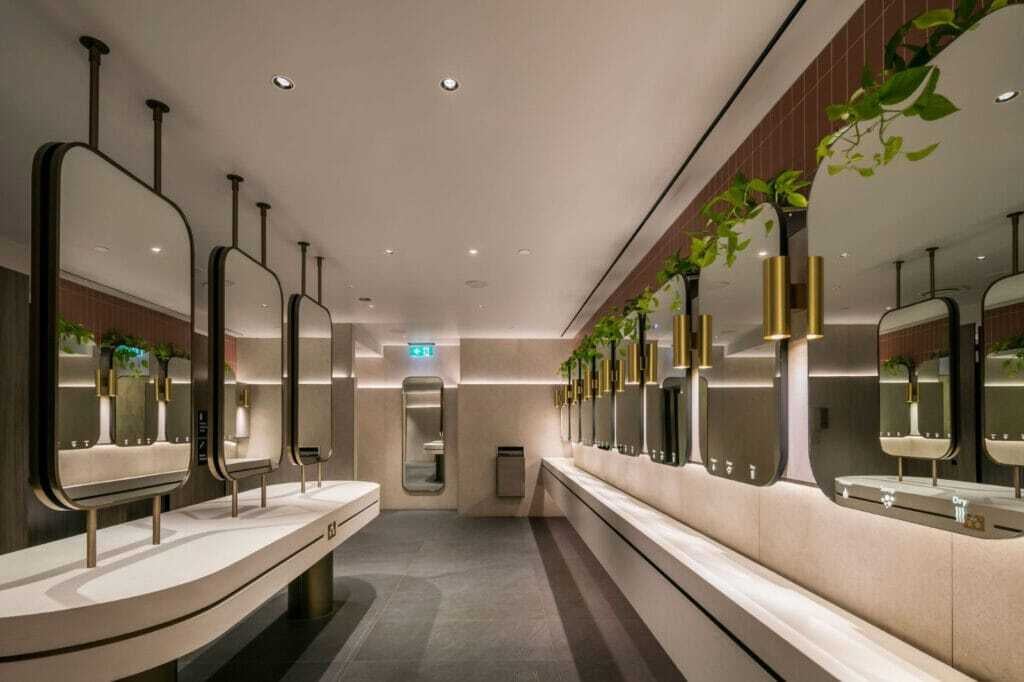
This CPD will cover the cause and effects of Pre-COVID washrooms and the solutions to better preventing the spread of bacteria and how simple changes in design can decrease the spread of germs and improve the flow in public bathrooms.
Learning Outcomes
Using the most advanced touch-free washroom appliances to prevent the spread of germs.
Enhancing the flow of the environment in public bathrooms to allow adequate space to move around and less contamination on surfaces.
Design challenges and making better use of available space in the washroom.
Brief overview of accessible and standard washroom ergonomics.
Design ideas to maximise unlettable areas of a building.
How modern fittings decrease the work and time spent by cleaners to maintain washrooms.
NSCA Performance Criteria
PC28, PC33, PC45, PC16
CPD Point
1 Formal
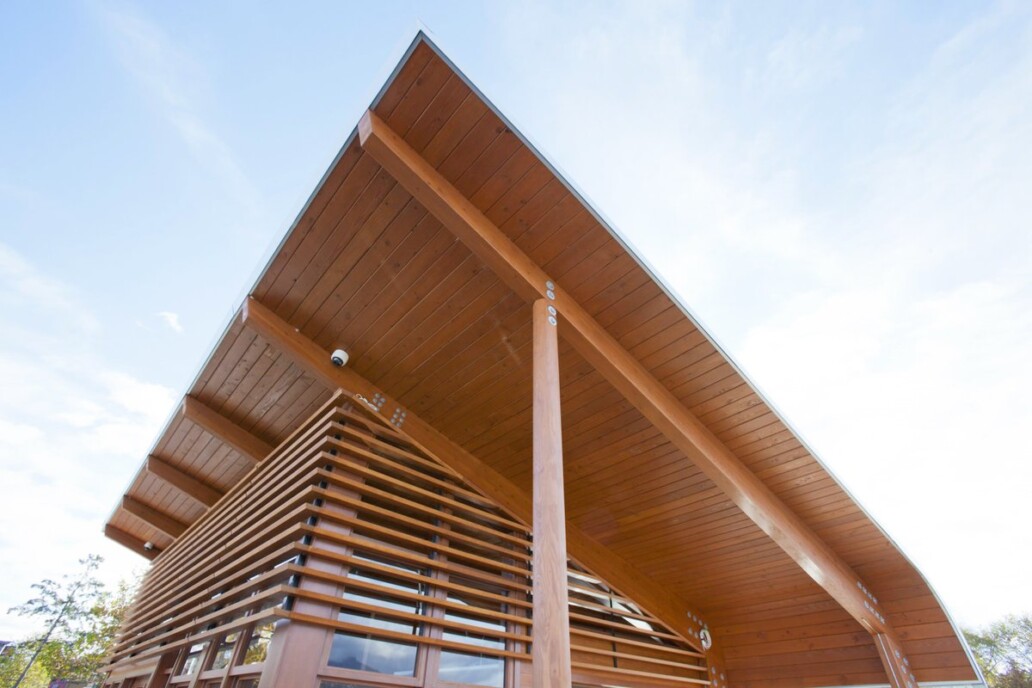

Online or Face to Face
Learning outcomes
Explain what acetylated wood is and what its benefits are.
Explain what acetylated wood can be commonly used for.
Describe the key considerations when specifying acetylated wood.
NSCA Performance Criteria
PC24, PC28, PC39
CPD Point
1 Formal