The Arc Agency has worked alongside Zip Water for a number of years now, from exhibiting at The-Arc Events to running brand awareness campaigns together. So when a partnership like this one lands, backed by an industry-first Declare label and a project of this calibre, it's exactly the kind of specification story we love to see from a brand we know delivers.
Water is easy to overlook in a sustainability strategy. It sits in the background of a fit out, expected to simply work. But for Arup's Brisbane office, a project already recognised for setting the benchmark in sustainable workplace design, even the tap became part of the story.
Zip Water has partnered with Arup to support the specification of its filtered water solutions across Arup's Living Building Challenge (LBC) workplace projects in Australia and New Zealand. The partnership was built on a simple requirement: suppliers who could match Arup's own standards for transparency and sustainability.
Why the Declare label matters for specifiers
Zip Water became the first in its category to achieve a Declare label, giving architects and designers independently verified, publicly available material transparency aligned with LBC requirements. For specifiers working through increasingly rigorous sustainability documentation, that kind of upfront transparency removes friction from the specification process rather than adding to it.
Richard Stokes, Sustainability Team Leader at Arup, put it plainly: "Zip Water was the most transparent supplier in this category. The Declare label meant the information wasn't just shared with us, it was made publicly available for the benefit of the broader industry."
A considered fit for biophilic design
Designed in collaboration with Hassell, Arup's Brisbane office received the 2026 Australian Interior Design Award for Workplace Design by ArchitectureAu. Biophilic design runs through the project, and water plays a deliberate role in that, appearing as both a functional and visual element that supports wellbeing and a sense of connection to the environment.
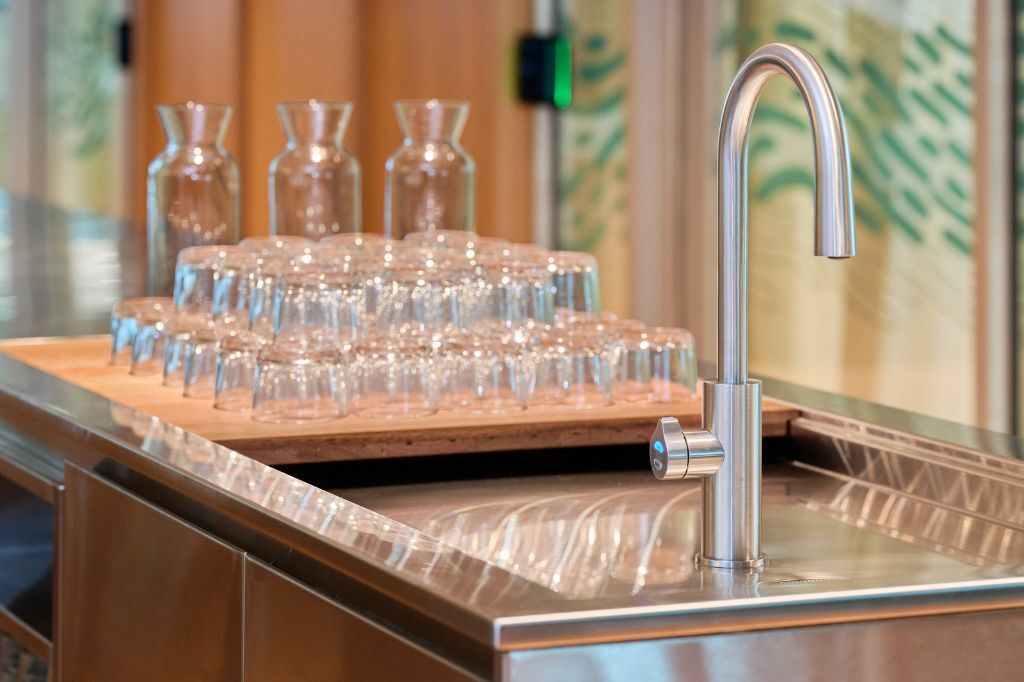
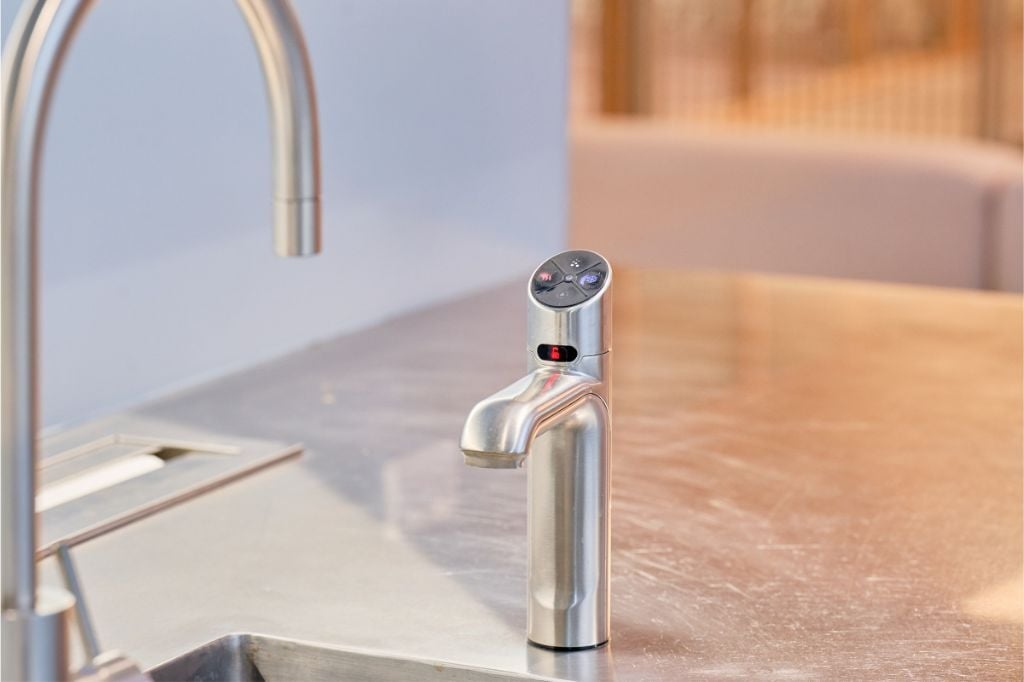
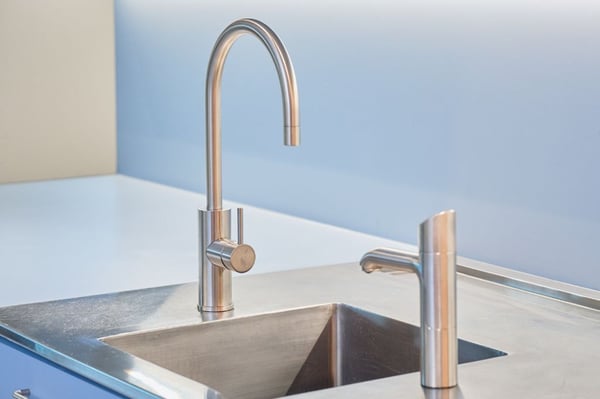
Zip HydroTap ranges, including the 5-in-1 Classic Plus with Arc Mixer in Brushed Nickel, Arc Plus and Classic Plus Brushed Nickel, were specified across multiple kitchens within the project, chosen as much for their material transparency as their performance.
What it signals for the industry
Shane Emms, Commercial Sales and Service Director at Zip Water, described the project as a natural extension of the brand's broader sustainability commitments: "At Zip Water, we focus on helping architects, designers and consultants meet evolving sustainability requirements, and achieving a Declare label is one way we provide the transparency needed for projects like this."
For Arup, the partnership reflects a longer term view of how supplier relationships support specification decisions. As Stokes noted, "The Declare label will certainly help us keep choosing Zip taps in the future."
It's a reminder that sustainability credentials are becoming as important to specification as design and function. Suppliers who can show their work, not just claim it, are the ones building lasting relationships with the specifiers who choose them project after project.
Read the case study here →
Frequently Asked Questions
What is the Zip Water and Arup partnership about?+
Zip Water has partnered with Arup to supply filtered water solutions across Arup's Living Building Challenge (LBC) workplace projects in Australia and New Zealand, starting with Arup's Brisbane office.
What is a Declare label?+
A Declare label is an independently verified, publicly available material transparency disclosure. Zip Water is the first supplier in its category to achieve one, aligning with LBC requirements.
Which Zip HydroTap products were specified at Arup's Brisbane office?+
The project specified the 5-in-1 Classic Plus with Arc Mixer in Brushed Nickel, Arc Plus, and Classic Plus Brushed Nickel across multiple kitchens.
Why does material transparency matter for specifiers?+
Transparent material data reduces the documentation burden during specification and helps architects and designers meet sustainability requirements like LBC with greater confidence.
Who designed Arup's Brisbane office?+
The project was designed in collaboration with Hassell and received the 2026 Australian Interior Design Award for Workplace Design by ArchitectureAu.