



NCC 2025 mandates ventilated wall cavities across Australia’s cooler climate zones — a long-overdue response to the moisture problems created by increasingly airtight construction. For architects and designers, it’s both a compliance shift and a design challenge. Here’s what you need to know, and how Highwood Timber’s cavity batten system makes compliance straightforward.
What’s Changing Under NCC 2025?
The core change is the end of direct-fix cladding in Climate Zones 6, 7 and 8. From 1 May 2026, new construction in these zones must incorporate a drained and ventilated cavity behind external cladding — a system designed to allow moisture to escape and air to circulate continuously within the wall assembly.
Roof ventilation requirements are also extended, now applying to Zones 4 and 5 in addition to the existing cooler zones. And vapour permeable membranes become mandatory on the exterior side of primary insulation across all climate zones.
For architects and designers, this means cavity construction details need to be embedded in specifications from the outset — not retrofitted at construction stage. The compliance deadline is approaching quickly, and many states are able to adopt the new code with little to no lead time.
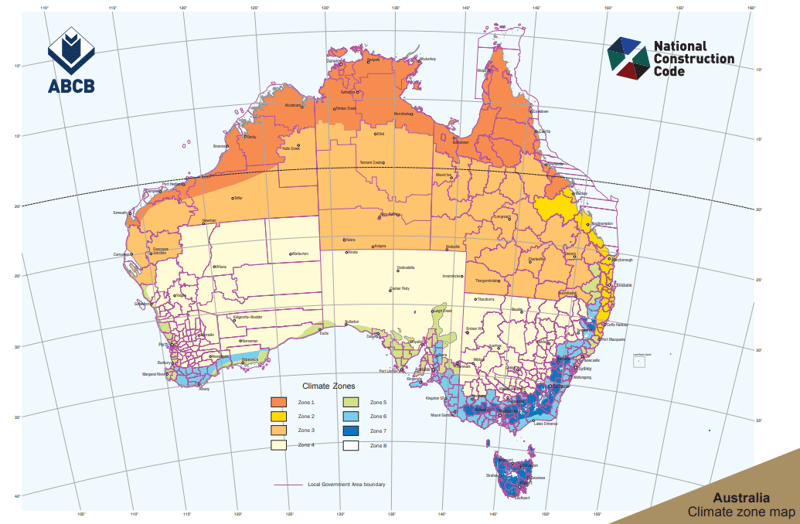 Image: ©Australian Building Codes Board, licensed under CC-BY 4.0.
More Than a Compliance Response
Well-specified cavity systems deliver benefits that go well beyond ticking a code box. A continuous air gap behind cladding improves the thermal performance of the wall assembly, reduces long-term maintenance risk, and creates the conditions for genuinely healthier buildings — outcomes that matter to the clients architects and designers serve.
For architects and designers, specifying a high-performance cavity system is one of the clearest ways to protect a building’s long-term integrity — and to demonstrate that energy efficiency and occupant health are not competing priorities.
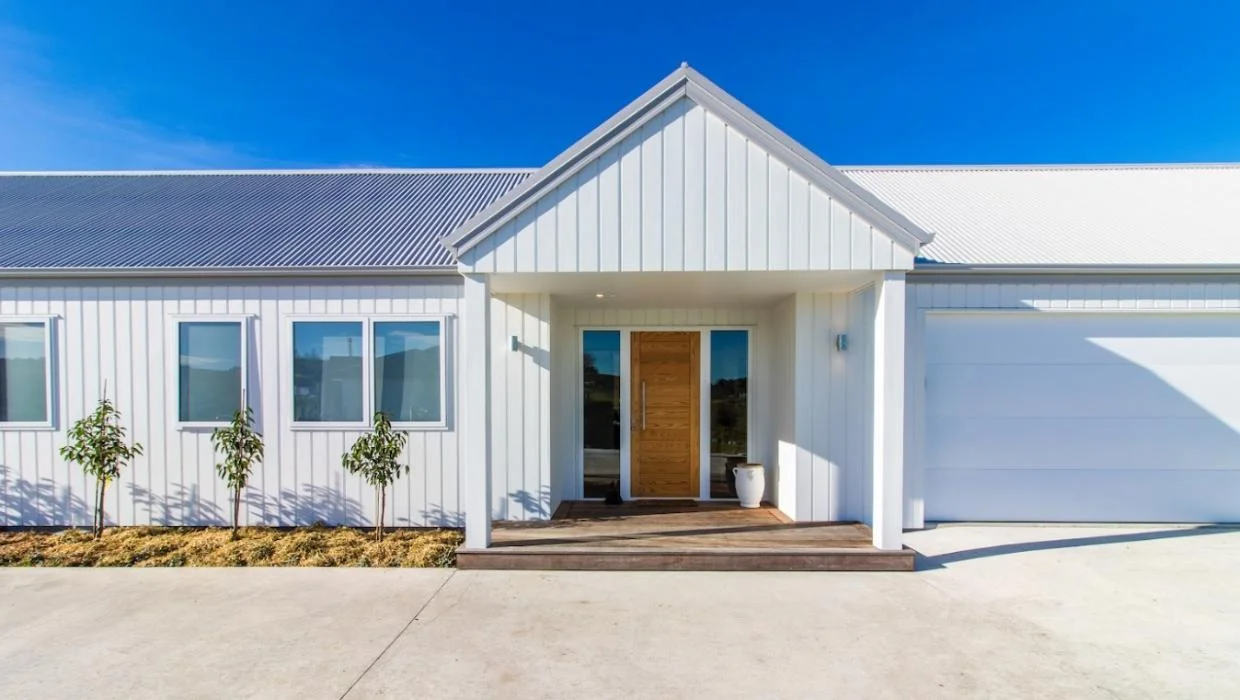
Photo: Vertical cladding systems like this demand a wall assembly built to perform behind the facade. NCC 2025 makes that a code requirement.
Specifying with Confidence: Highwood’s HighFlow System
Highwood Timber developed the HighFlow Cavity Batten specifically to address the condensation management challenge — and the product is designed to exceed NCC 2025 requirements, not simply meet them.
Made from engineered LVL timber and H3 treated for durability, the HighFlow Batten creates a 36mm ventilated cavity behind cladding, with grooved channels that deliver approximately 2,000mm² of ventilation per linear metre. A chamfered top edge ensures drainage away from the frame. Because it is a structural element, it spans between studs without additional nogging — simplifying the construction detail and reducing on-site labour.
The system is compatible with fibre cement, vertical timber, and sheet claddings, giving specifiers flexibility without sacrificing performance. Highwood also offers the HighLine Batten — a vertical cavity batten for off-stud applications — for projects where horizontal battening isn’t the preferred approach.
 Image: The HighFlow Cavity Batten — engineered grooves, chamfered drainage edge, and LVL construction that stays straight on site and in service.
Act Now, Specify with Confidence
NCC 2025 adoption is imminent. For architects and designers working on projects in the affected climate zones, the time to embed compliant cavity details into documentation is now — before the deadline removes the option of a staged transition.
Highwood Timber’s HighFlow system offers a straightforward, well-engineered path to compliance — one that supports better building outcomes rather than simply satisfying a regulatory requirement. Contact the Highwood team to discuss specification details for your next project. 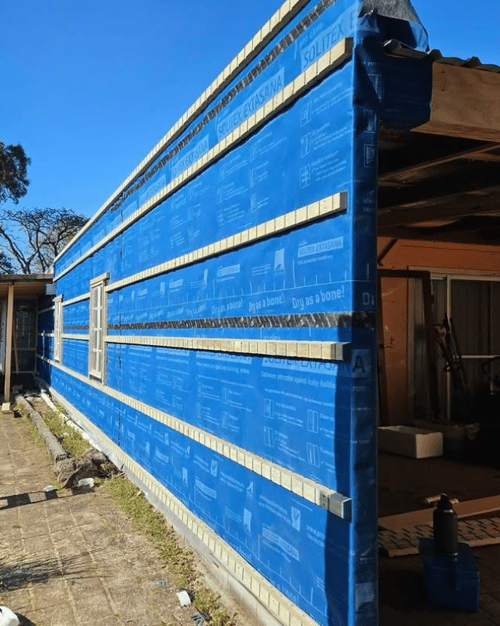 Image: Highwood Cavity Batten provide cleaner airflow, better moisture control and a healthier wall system overall.